
Architectural & Technical Planning
Concept definition, drawings, scope development and coordination of technical inputs.
Our operating model combines technical planning, project controls, site execution and specialist water and energy services.
Concept definition, drawings, scope development and coordination of technical inputs.
Residential, commercial, institutional and project-specific external works.
Assessment and controlled alteration of existing buildings and property assets.
Surveying coordination, drilling, equipping, storage, pumping and distribution.
Solar PV, inverter, battery and solar-pumping systems aligned to actual demand.
Programme planning, progress tracking, valuation support and variation control.
Specification alignment, supplier coordination, delivery sequencing and site control.
Work monitoring, issue escalation, photographic records and client communication.
Hold points, inspection checks, corrective action and completion reviews.
Task controls, PPE, work-area discipline, risk communication and incident response.
Clear packages, interface management and supervision of specialist work.
Snag review, completion documentation, client orientation and post-completion response.
Strong construction management is less about paperwork for its own sake and more about ensuring decisions are recorded, responsibilities are clear and problems are resolved early.
Agreed inclusions, exclusions, specifications and deliverables form the baseline for execution.
Work packages, dependencies and procurement dates are aligned to realistic sequencing.
Progress, decisions, constraints and proposed changes are communicated in a usable format.
Critical work is inspected at the right stage, before it is covered or dependent work begins.
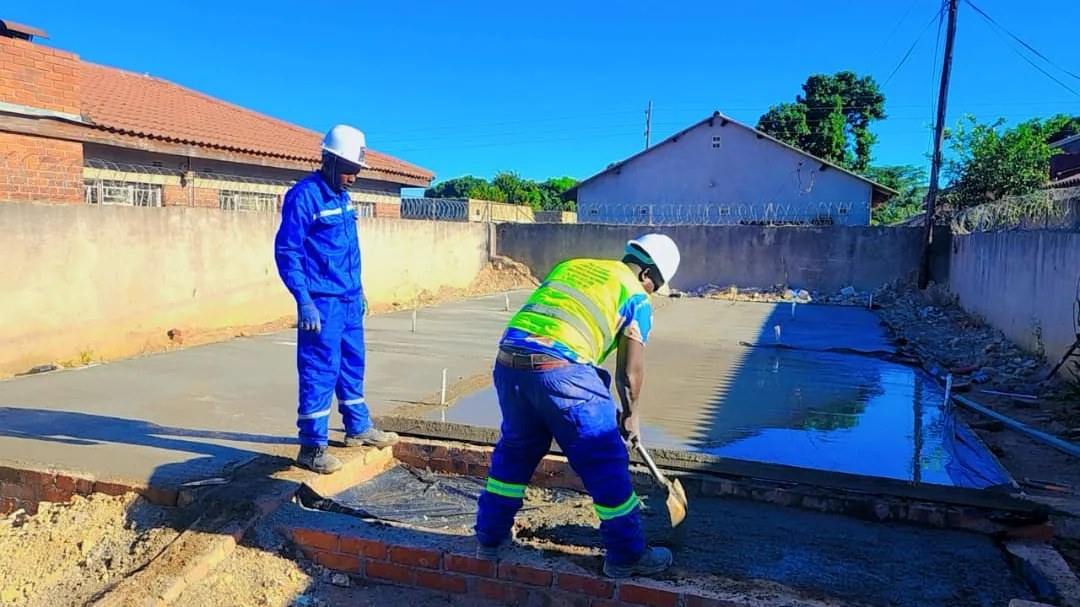
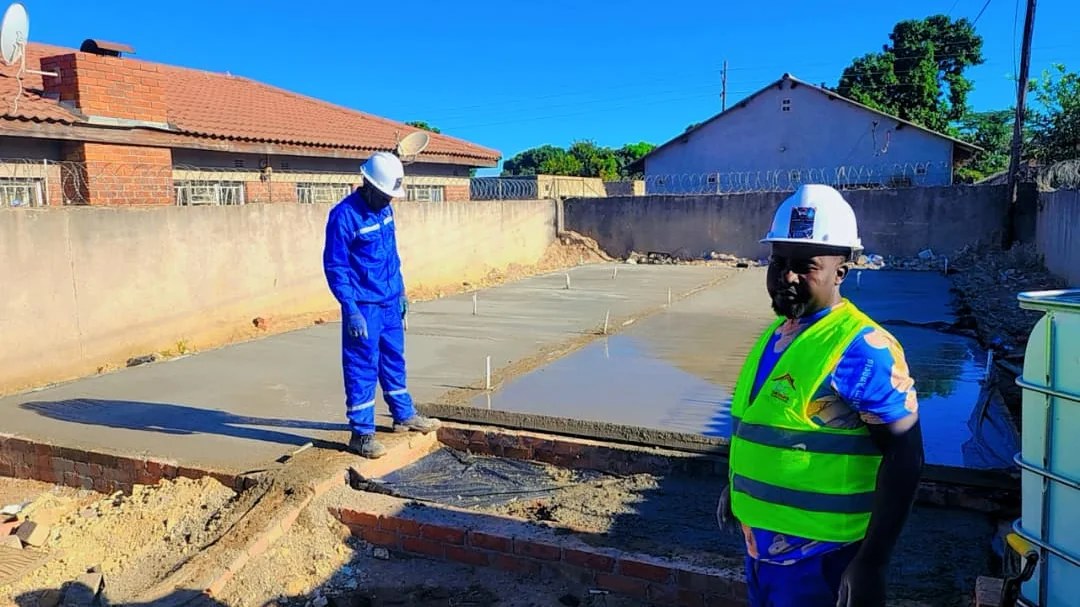
Quality is controlled through defined stages. The appropriate checks depend on the work package, but the principle remains consistent: confirm readiness, inspect execution and record any corrective action before progressing.
Safety planning is scaled to project risk. Routine controls include appropriate PPE, access management, housekeeping, task briefings and coordination where multiple activities operate in the same area.
Review hazards, access, equipment, responsibilities and protective requirements.
Maintain safe work areas, monitor conditions and stop or correct unsafe activity.
Coordinate trades, deliveries, public access and occupied-property requirements.
Record, respond, investigate and implement practical corrective action.
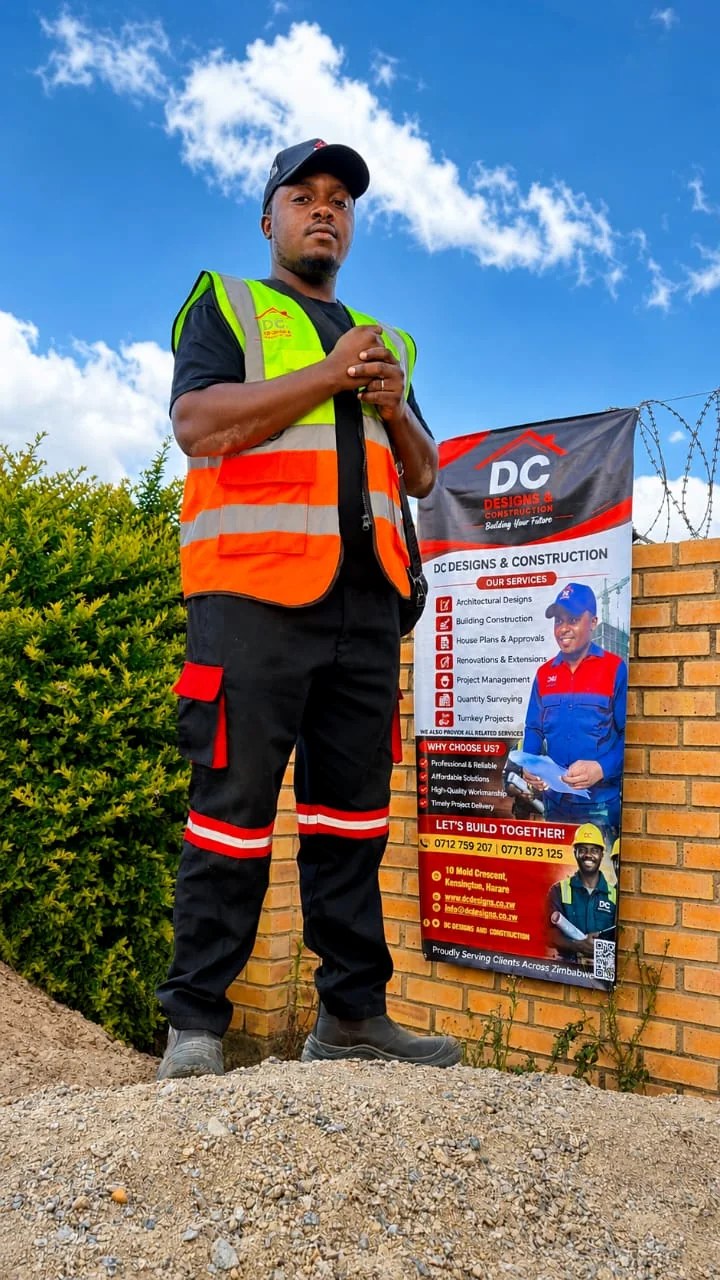
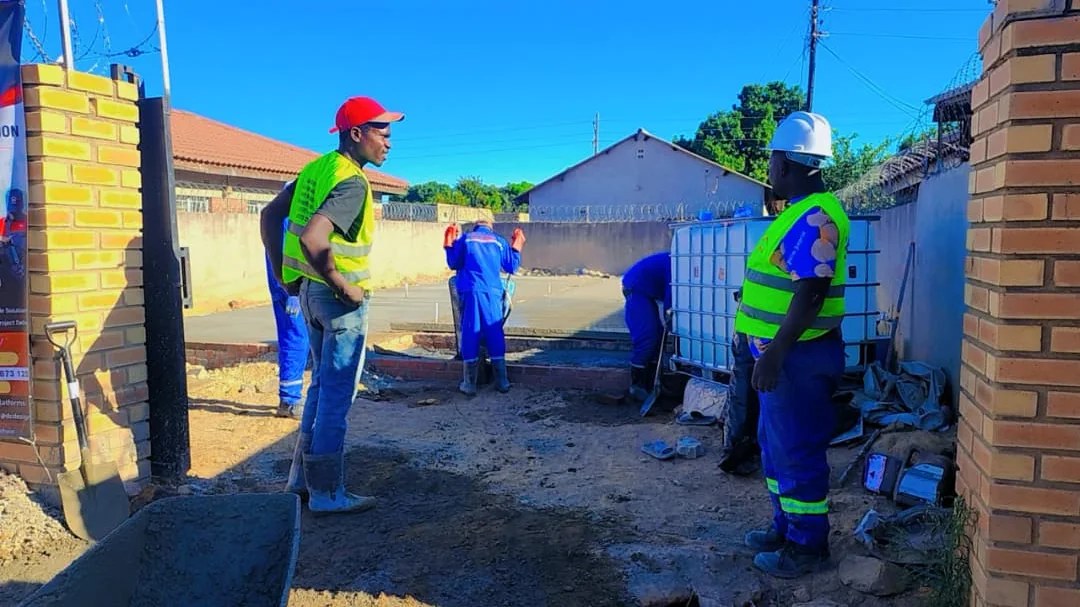
We define the labour, supervision, tools, equipment, specialist subcontractors and logistics required for each work package. Where specialist capacity is needed, it is mobilised through suitable project partners and suppliers.
Yes. The delivery structure depends on the scope. We define work packages, responsibilities, interfaces and inspection requirements so that direct and specialist activities are coordinated.
Progress communication can include site meetings, milestone updates, photographic records, issue logs and programme reviews depending on the project size and client requirements.
Proposed substitutions should be reviewed against performance, appearance, compatibility, availability and cost before use. Material changes that affect the agreed scope are communicated to the client.
Yes, where the work can be safely sequenced. Access, noise, dust, temporary services, security and operational constraints should be agreed during planning.
We can review scope, documentation and delivery requirements for institutional or formal procurement opportunities. Submission commitments depend on the specific tender, eligibility and programme.
Send the drawings, scope, site location and programme requirements. We will assess the work package and identify the delivery approach, constraints and information gaps.