
Initial Consultation
We understand the client’s objective, property type, required service, budget context, timeline and existing information.
Our eleven-stage approach establishes responsibilities, technical information and approval points before critical work progresses.
Not every project requires the same documentation, but every project benefits from a clear sequence of decisions and quality controls.
We understand the client’s objective, property type, required service, budget context, timeline and existing information.
We review access, measurements, existing conditions, service interfaces, constraints and project risks.
We translate the requirement into an initial technical direction, layout, solution or work-package concept.
We develop drawings, specifications, technical selections and coordinated information appropriate to the project.
Deliverables, exclusions, assumptions, allowances, payment stages and cost drivers are defined for client review.
Required decisions, approvals, lead times, dependencies and target milestones are incorporated into the delivery programme.
Materials, resources, specialist packages, access, temporary arrangements and site setup are coordinated.
Works are executed according to the agreed sequence, technical information and site-control requirements.
Critical stages are reviewed, defects or deviations are identified and corrective action is completed before progression.
The client reviews the completed work, outstanding items are agreed and relevant operating or completion information is provided.
We respond to agreed post-completion matters and support practical close-out of the delivered project or installed system.
The contractor controls execution, but the client’s information, approvals, access and payment decisions directly affect progress.
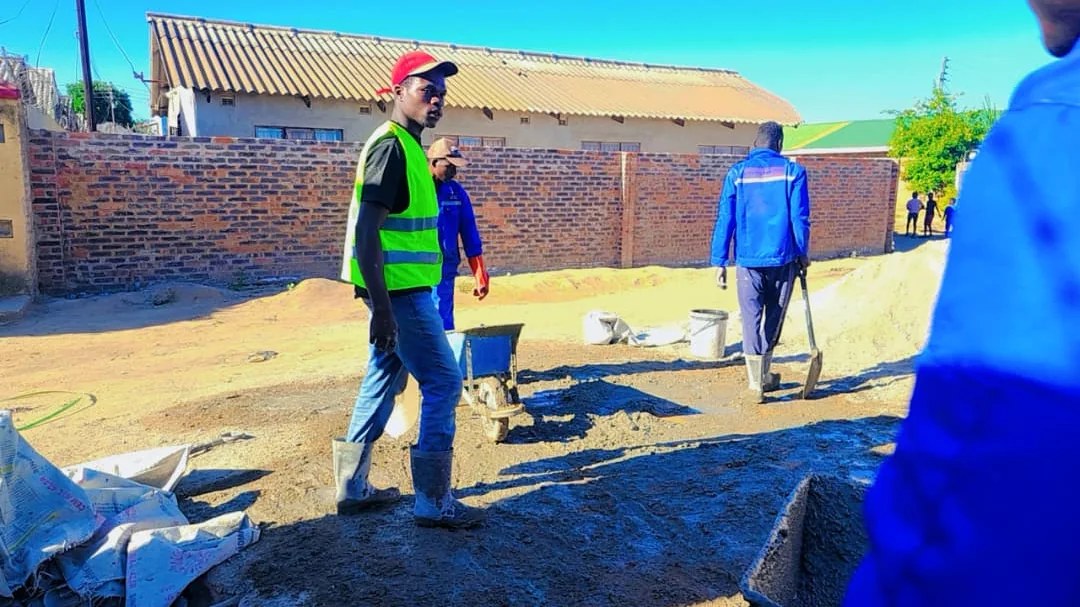
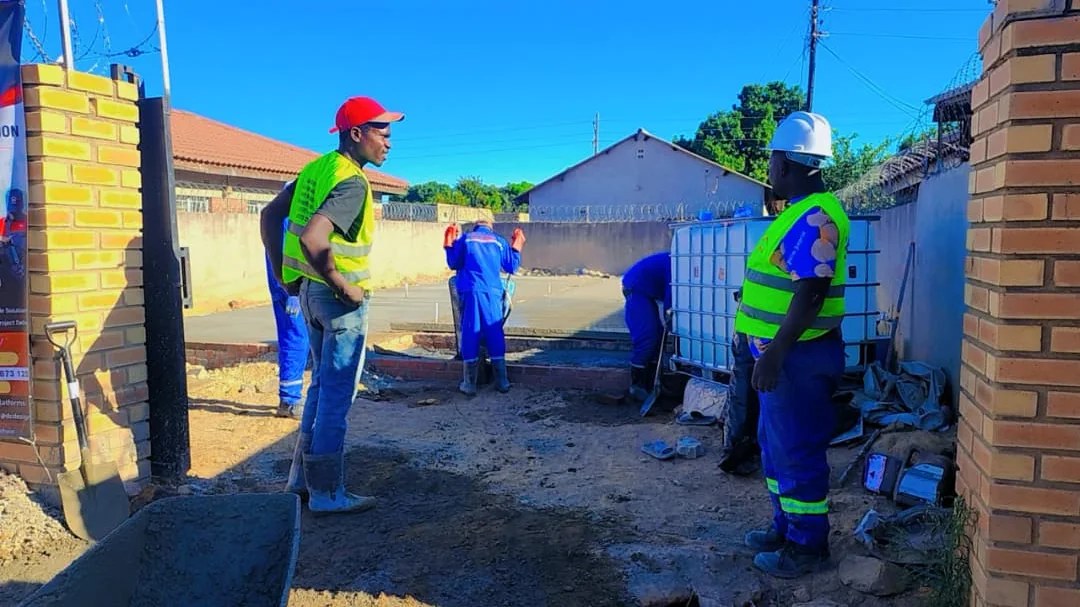
Early quotations can only be as accurate as the information supplied. Unclear drawings, unknown ground conditions, undecided finishes or missing load information create assumptions that should be identified—not hidden.
Late changes can affect completed work, material orders, programme and cost. Our process aims to make the impact visible before implementation.
Record what the client or project condition requires to change.
Review technical, cost, procurement and programme consequences.
Confirm revised scope and commercial implications before execution.
Reflect the approved change in instructions, drawings or project tracking.
Project communication is scaled to the project size. The goal is not excessive reporting, but timely information that supports decisions and protects delivery.
Summary of completed activities, upcoming work and current constraints.
Visual evidence of site progress and critical construction stages.
Clear deadlines for selections, approvals and client instructions.
Early communication where conditions may affect scope, cost or programme.
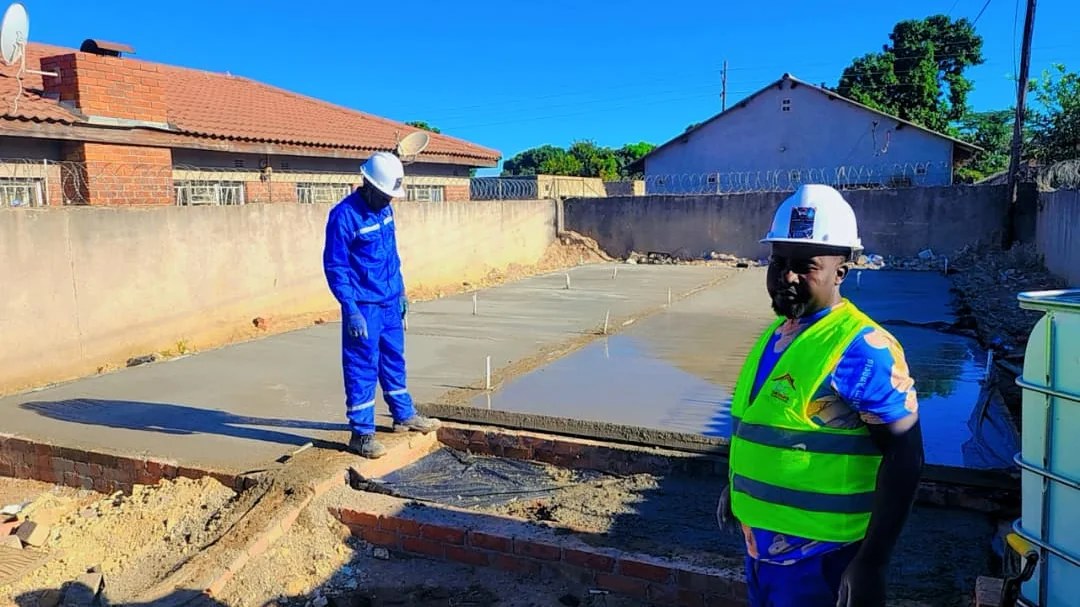

It depends on project complexity, available information, approvals and the speed of client decisions. A small defined work package can move quickly, while a new building or coordinated development requires more design and approval time.
For many construction, renovation, borehole and installation projects, yes. Preliminary guidance may be possible from drawings and photographs, but a firm quotation often requires physical assessment.
Costs are built from scope, quantities, material specifications, labour, equipment, specialist packages, logistics, programme and identified project risks or allowances.
The change is defined, its effect is assessed and the client approves the resulting scope, cost or programme adjustment before implementation wherever practicable.
Yes. The frequency and format depend on project scale and client requirements, but communication should cover progress, upcoming work, issues and decisions required.
Yes, for agreed post-completion matters. The handover should define relevant support, operational guidance, outstanding items and any applicable supplier or workmanship arrangements.
The more clearly we understand the location, scope, current stage and expected result, the more useful our assessment and quotation will be.